
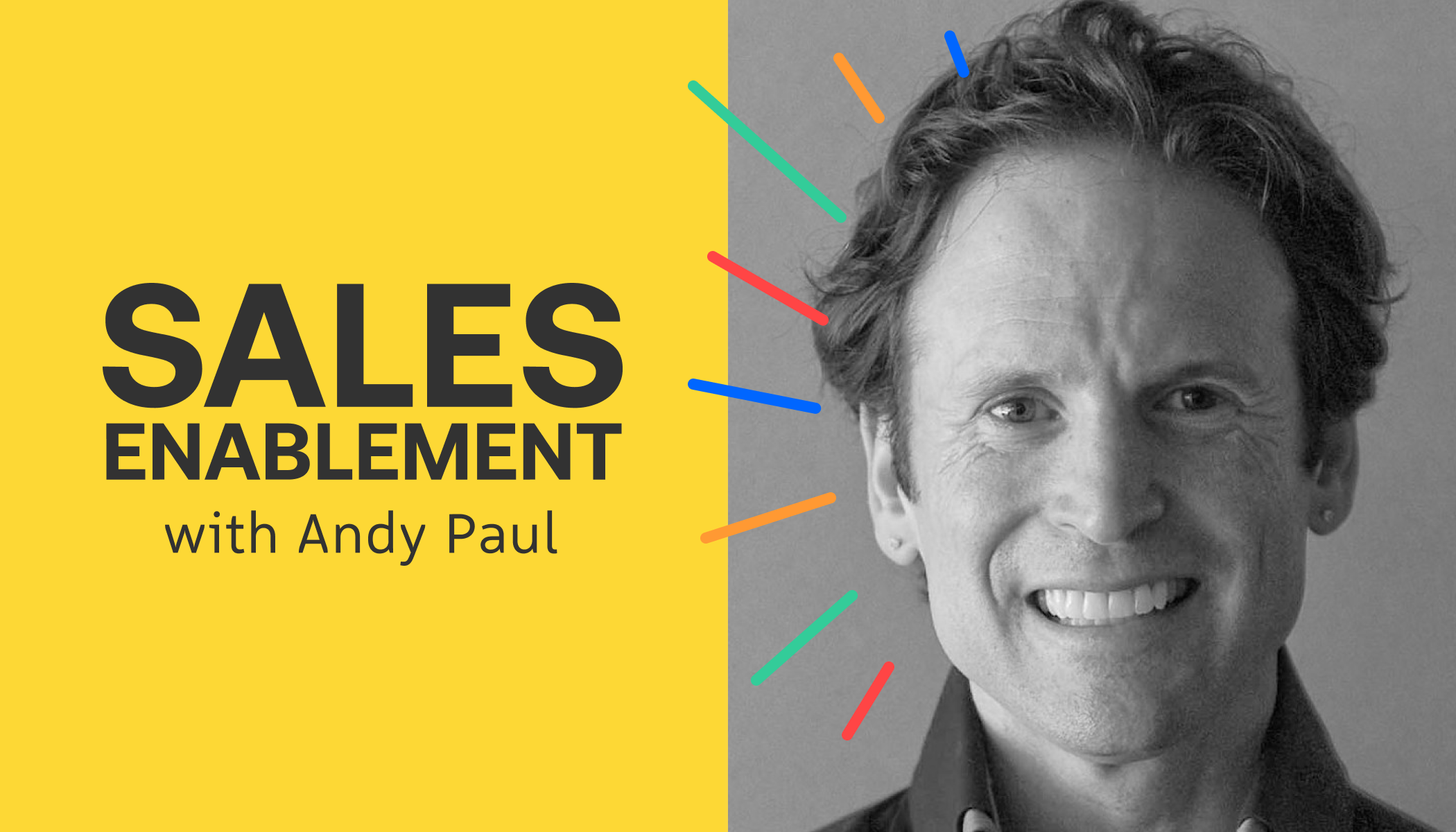
From Impossible to Inevitable: How Hyper-Growth Companies Create Predictable Revenue, with Aaron Ross [Episode 87]





Podcast Host
Andy Paul
Guest
Aaron Ross, Co-author of From Impossible to Inevitable and author of Predictable Revenue
About the Guest
Aaron Ross is a sales strategist, author, and former Salesforce leader best known for helping popularize the predictable revenue model. He is the author of Predictable Revenue and co-author, with Jason Lemkin, of From Impossible to Inevitable: How Hyper-Growth Companies Create Predictable Revenue.
Aaron is widely known for his work building outbound sales processes that helped Salesforce scale, and for his focus on repeatable growth through specialization, niche focus, and customer success.
TLDR
Aaron Ross explains that predictable growth does not come from doing more. It comes from focus, specialization, and building systems that consistently generate the right leads, close the right customers, and retain and grow those customers over time.
Episode Summary
In this episode, Andy Paul talks with Aaron Ross about the lessons sales leaders have learned since the publication of Predictable Revenue, and how those lessons shaped Aaron’s newer book, From Impossible to Inevitable.
Aaron explains that many companies struggle to grow because they try to serve too many markets, sell too many use cases, and rely too heavily on referrals and friendly networks rather than building a repeatable sales model. He argues that real growth starts with nailing a niche, identifying a painful enough problem, and clearly showing buyers the tangible results they can expect.
The conversation also explores the importance of specialization in sales. Aaron makes the case that prospecting, closing, and account management should not all live in one role if a company wants predictable revenue. He explains why dedicated prospecting teams and structured sales roles make it easier to create consistent pipeline and improve performance.
Another major theme is customer success. Aaron argues that customer success should not be viewed as a support function or cost center. Instead, it should be seen as a revenue-driving function that reduces churn, expands existing accounts, and helps companies build a stronger word-of-mouth engine.
Overall, this episode is a practical discussion about how hyper-growth companies build systems for sustainable sales success, and how smaller companies can apply the same thinking.
Key Topics Covered
-
The steps required to create predictable revenue growth
-
Why companies need to nail a niche before they scale
-
Why selling to friends and referrals does not prove a real sales model
-
How to overcome the trust gap with unaffiliated buyers
-
Why sales specialization improves performance
-
The role of outbound prospecting in generating predictable pipeline
-
Why customer success is essential to revenue growth
-
How negative churn strengthens a SaaS business
Key Takeaways
-
Focus beats breadth.
Companies grow faster when they clearly define a niche instead of trying to serve everyone. -
A repeatable sales model must work beyond your network.
Selling to people who already know you is not the same as proving you can win unaffiliated customers. -
Specialization improves consistency.
Prospecting, closing, and account management are different jobs and perform better when separated. -
Predictable revenue starts with predictable lead generation.
A company needs reliable systems for generating and converting the right opportunities. -
Customer success is a growth engine.
Retaining and expanding customers can drive meaningful revenue growth and reduce dependency on new logo acquisition.
Who This Episode Is For
-
SaaS founders building an early go-to-market motion
-
Sales leaders trying to create a repeatable revenue engine
-
Revenue teams rethinking role specialization
-
Customer success leaders focused on retention and expansion
-
Entrepreneurs and consultants looking to scale beyond referrals